
If you stop one hundred people on the streets of Mumbai, Kolkata, or Delhi and ask them where Bata originated, ninety-nine will look at you with total certainty and answer: India.
Many will even point to Batanagar, the massive industrial township built along the Hooghly River south of Kolkata in the 1930s. They will remember wearing white Bata canvas shoes every Wednesday for physical education drill at school, polished with white chalk powder before morning assembly.
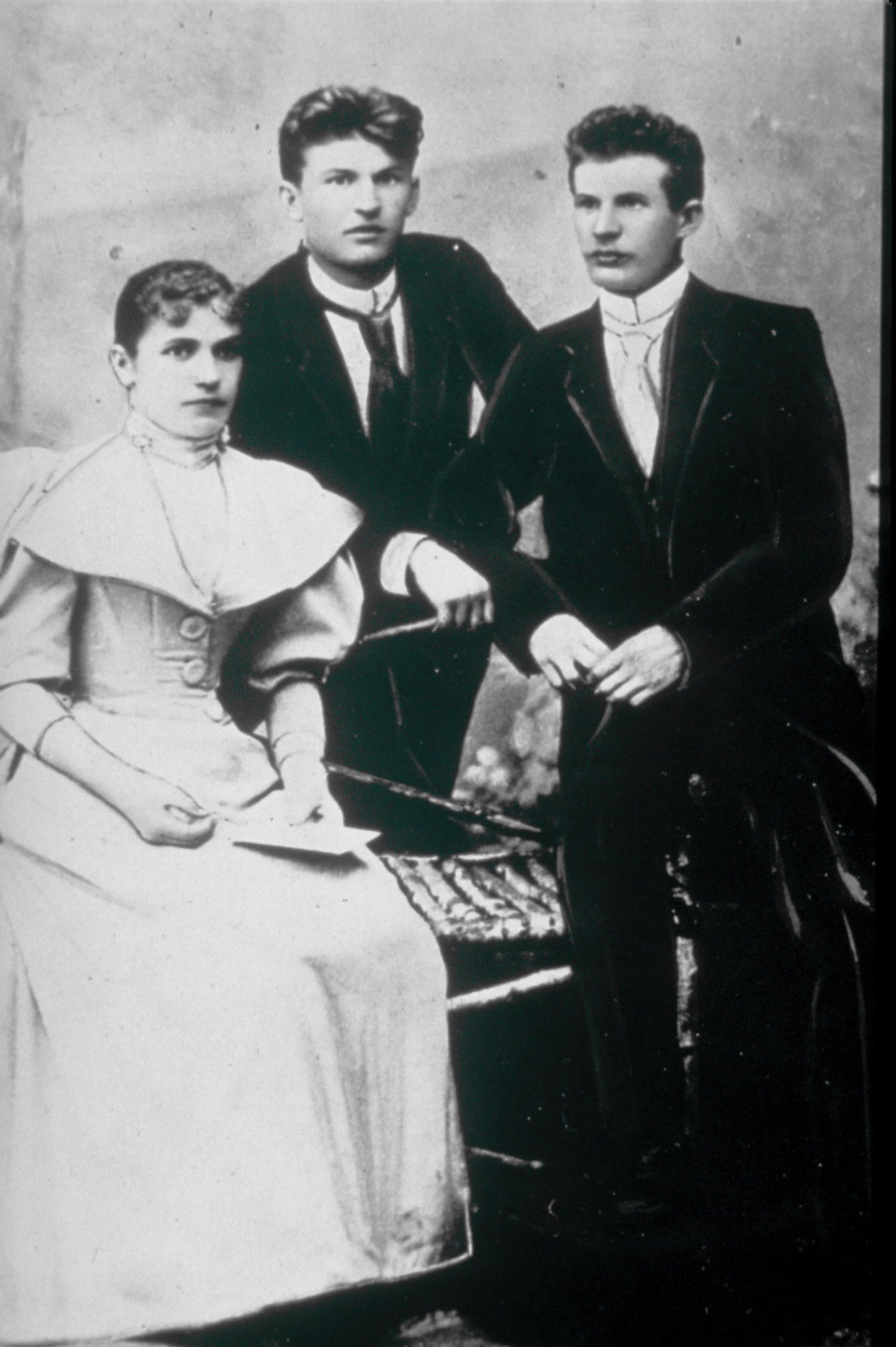
In reality, Bata was founded in 1894 in Zlin, Czechoslovakia, by Tomas Bata, his brother Antonin, and his sister Anna.
How did a foreign shoemaker from central Europe achieve something that thousands of multinational conglomerates spend billions trying to manufacture? How did it become so thoroughly woven into the fabric of daily life that consumers forgot it was ever foreign?
The Principle of Everyday Utility Over Status
When Tomas Bata surveyed India in the 1920s, he noticed a fundamental arithmetic reality that foreign luxury importers completely ignored: the overwhelming majority of the population walked barefoot, not out of preference, but because leather footwear was an expensive, fragile luxury.
Foreign trading companies treated India as a dumping ground for overpriced European goods. Bata did the exact opposite. He treated footwear as essential public health infrastructure.
Tomas Bata understood that if you want to capture a massive market, you must engineer products from the cost floor upward rather than marking down high-end goods. In the 1930s, leather rotted quickly during the four months of torrential Indian monsoon rains. A working-class clerk or farmer who spent half a month's wages on leather shoes would see them ruined in a single downpour.
Bata pioneered the vulcanized rubber sole bonded to heavy-duty cotton canvas. Rubber resisted water, mud, and intense heat. Canvas breathed in humid tropical air and could be washed with ordinary laundry soap. By matching the physical material of the shoe to the harsh climate of the subcontinent, Bata solved a genuine daily problem that traditional leather tanners could not fix.
The Canvas and Rubber Breakthrough
- Industrial Townships: Instead of importing finished shoes, Bata built Batanagar in 1934, complete with worker housing, schools, hospitals, and tanneries. They controlled the raw material supply chain end to end.
- School Uniform Standard: Bata partnered directly with education boards and school uniform suppliers. By making the Bata white canvas shoe and the black rubber-soled school shoe mandatory across Indian schools, every single child wore Bata five days a week from age five to eighteen.
- Price Psychology: Bata pioneered the psychological price point ending in ninety-nine paise (such as 99.99 rupees). It made every shoe feel fundamentally fair and mathematically calculated, rather than arbitrarily marked up.
Distribution as the Core Advertising Asset
Long before digital performance marketing existed, Bata recognized that physical storefronts were the ultimate advertising medium.
While competitors relied on independent, dusty multi-brand wholesale distributors, Bata opened its own company-operated retail stores at the busiest railway stations, bus stands, and primary market intersections across the country.
Every Bata store had the identical red and white glowing sign, the identical clean shoe racks, and the identical fixed-price promise. In an era when purchasing shoes required haggling with local cobblers who charged whatever they thought the customer was worth, walking into a Bata store felt modern, honest, and safe.
The customer did not need to be a tough negotiator. The price was printed on the sole of the shoe at the factory. That single detail eliminated buyer anxiety and established deep consumer trust.
The Monopolization of Childhood Memory
The most valuable asset a consumer brand can own is not a trademark or a patent; it is an automatic habit formed during childhood.
By embedding itself into the mandatory school dress code of independent India, Bata achieved something extraordinary. Every Indian parent, regardless of social class or income level, had to visit a Bata store at least twice a year: once in June before the academic year began, and once during the winter term when children outgrew their sizes.
Generations of Indian professionals grew up with the distinctive smell of new rubber soles, the feel of the stiff canvas tongue, and the iconic Bata shoe horn. When those children became adults, entered the workforce, and needed black leather formal oxfords for office jobs, they did not search for new shoe brands. They walked straight into the same store that had shod their feet for twelve years of schooling.
The Power of Rainwear: The Hawaii Chappal
In the 1950s, Bata popularized the blue-and-white rubber flip-flop, affectionately known across the country as the "Hawaii Chappal."
Made from synthetic sponge rubber, lightweight, indestructible, and sold for a few rupees, the Hawaii Chappal became the universal footwear of rural and urban India alike. Whether you were a high court judge walking inside your home, a fisherman stepping off a wooden boat in Kerala, or a shop assistant opening a shutter in Varanasi, you wore a pair of blue-and-white rubber chappals.
Bata never treated this low-margin product with disdain. It manufactured millions of pairs every month, using them as high-velocity distribution drivers that kept the factory kilns burning and paid for the company's nationwide logistics network.
Key Business Takeaways
- Solve Basic Needs Before Selling Prestige: Brands that solve daily, repetitive friction (like school shoes or durable sandals) generate multi-generational trust that luxury brands cannot buy with television commercials.
- Physical Distribution Outlasts Media Campaigns: A network of well-located, clean, fixed-price retail stores is not just a sales channel. It is a permanent billboard that builds brand recall every single day.
- Deep Localization Erases Foreign Friction: When you manufacture locally, employ thousands of local citizens, and design products for local weather (like Bata rubber rainy-season chappals during the Indian monsoon), consumers naturally claim your brand as their own.
- Transparent Pricing Builds Trust: Stamping the maximum retail price directly onto the sole at the factory removed the customer's fear of being cheated, creating an oasis of fairness in unorganized markets.