
In the history of corporate strategy, there is a famous paradox known as the Innovator's Dilemma, described by Harvard Business School professor Clayton Christensen.
When a successful company builds a profitable, cash-flowing business, its leadership naturally becomes conservative. Senior executives do not want to take risks that might hurt their current quarterly profits, their existing client relationships, or their stock options.
So when a brand new, cheaper, or faster technology appears on the horizon, the established market leader usually ignores it. They tell themselves that the new technology is a low-margin toy that serious customers will never use.
In the late 1990s and early 2000s, Blockbuster Video was the undisputed king of home movie rentals. With more than nine thousand retail stores across the globe, Blockbuster generated billions of dollars in revenue, with a huge chunk of its profits coming from punitive late fees charged to customers who returned VHS tapes a day late.
When Reed Hastings and Marc Randolph founded Netflix in 1997, they did not attack Blockbuster with streaming video. Streaming video was impossible over 56k dial-up telephone modems.
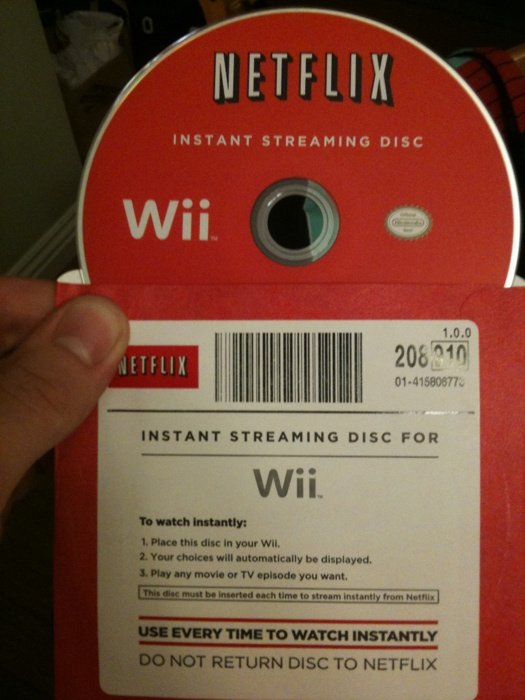
They attacked Blockbuster with red paper envelopes: sending DVDs through the United States Postal Service with zero late fees.
The First Pivot: Eliminating the Late Fee Friction
Blockbuster's fundamental business flaw was that its financial incentives were directly opposed to its customers' happiness.
Blockbuster made hundreds of millions of dollars every year when a busy mother forgot to return a video tape on Sunday evening and was hit with a forty-dollar late fine on Monday morning. Customers hated late fees, but Blockbuster's balance sheet was addicted to them.
The Subscription Revolution
- Flat Monthly Subscription: In 1999, Netflix introduced a flat subscription of fifteen dollars a month. Keep three DVDs as long as you want, return one in a prepaid envelope, and get the next title from your queue.
- No Due Dates, No Penalties: A customer could keep a movie for six months without paying a single penny in penalties. That eliminated buyer guilt and created instant, passionate loyalty.
- Algorithmic Recommendations (Cinematch): While Blockbuster stores could only stock popular Hollywood new releases on limited shelf space, Netflix's website recommended thousands of older, obscure movies, turning its warehouse inventory into an entertainment goldmine.
The Ruthless Cannibalization: The 2011 Streaming Crisis
By 2010, Blockbuster was bankrupt, and Netflix's DVD-by-mail service was an enormous commercial success, generating hundreds of millions of dollars in net cash flow.
Most chief executives would have sat back, collected the DVD profits, and paid dividends to shareholders.
Reed Hastings knew a terrifying technological truth: broadband internet speeds were doubling every few years, and physical DVD discs would soon become obsolete plastic junk.
In 2011, Hastings made one of the most painful, courageous decisions in modern corporate history:
He announced that Netflix would split its DVD business from its streaming service, creating a separate entity called Qwikster and charging customers separately for both.
The customer backlash was immediate and savage:
- Netflix lost over eight hundred thousand subscribers in ninety days.
- Its stock price collapsed by nearly eighty percent, wiping out billions of dollars in market valuation.
- Late-night television comedians mocked Hastings, and business magazines published cover stories predicting Netflix's imminent demise.
Hastings publicly apologized for the clumsy execution and killed the Qwikster brand name, but he refused to abandon the streaming pivot.
He knew that if Netflix did not cannibalize its own DVD cash cow, Amazon, Apple, or YouTube would do it for them.
The Investment in Original Content: House of Cards
Hastings recognized that relying on Hollywood studios (like Warner Bros, Disney, and Sony) for streaming licenses was a temporary, dangerous strategy.
As soon as traditional media companies realized streaming was the future, they would refuse to renew their licenses and launch their own competing apps.
In 2013, Netflix took eighty percent of its operating cash flow and bet it on producing proprietary original programming: starting with House of Cards and Stranger Things.
By owning its own intellectual property, Netflix built a catalog that could never be pulled away by rival studios.
Lessons for Business Leaders
- Never Protect a Dying Product: If a new technology or distribution channel makes your existing product obsolete, do not fight the future. Lead the transition yourself, even if it hurts your short-term earnings. It is far better to cannibalize your own business than to let a competitor eat it.
- Align Your Business Model with Customer Happiness: If your company's profits depend on customer mistakes, hidden penalties, or confusing fine print, your business is built on sand. Build models where you win only when your customer wins.
- Own Your Core Assets: Renting access to third-party content, software, or audiences is fine in the beginning. But long-term enterprise value requires owning your own proprietary intellectual property and customer relationships.
The Financial Arithmetic of Cannibalization and Margin Expansion
In 2011, when Reed Hastings announced the separation of Netflix DVD rentals from digital streaming under the Qwikster brand, Wall Street punished the stock with an eighty percent collapse, and eight hundred thousand subscribers canceled in a single quarter.
Yet Hastings understood the brutal physical arithmetic of DVD logistics: every DVD rental cost Netflix forty-five cents in two-way United States Postal Service postage, fifteen cents in warehouse automated sorting, and thirty cents in physical disc replacement due to scratching and cracking. A customer renting four DVDs per month consumed 3.60 dollars in direct physical fulfillment costs on an 8.99 dollar subscription, capping gross margins at fifty-eight percent.
Digital streaming reduced marginal fulfillment cost per view to fractions of a cent (server bandwidth via cloud content delivery networks). While content licensing costs were high, the marginal cost of streaming an additional billion hours of video was effectively zero. By cannibalizing its profitable DVD cash cow, Netflix expanded gross margins from fifty-eight percent to seventy-one percent and paved the way to three hundred million global subscribers.