
Black Friday is the most aggressive shopping day in the consumer retail calendar.
Every clothing retailer on earth floods television channels, billboards, and social media feeds with bright red discount banners: "Door-Buster Sale! 50% Off Everything! Buy Two Get One Free! Shop Before Midnight!"
On Black Friday in 2011, outdoor apparel company Patagonia took out a full-page advertisement in the New York Times.
In the center of the page was a large photograph of its bestselling product: the R2 fleece jacket.
Above the photograph ran a bold, five-word headline that stunned the retail world:
"DON'T BUY THIS JACKET"
Below the headline, Patagonia explained the real environmental cost of making the fleece: it required one hundred and thirty-five liters of clean water, generated twenty pounds of carbon dioxide, and left behind two-thirds of its weight in manufacturing waste.
The ad urged readers: "Don't buy what you don't need. Think twice before you buy anything. If your old fleece has a torn zipper, send it to us and we will repair it for free."
What happened next made marketing history: Patagonia's annual sales increased by thirty percent the following year, and the company grew from a niche outdoor brand into an international retail icon.
The Paradox of Anti-Marketing
Why did telling people NOT to buy a jacket cause millions of people to rush out and buy it?
Because in a commercial culture where every corporation is constantly begging for your money, telling the truth is the most shocking thing a brand can do.
Why Patagonia's Honesty Won
- Authenticity Over Sales Pressure: Customers are exhausted by desperate corporate sales pitches. When Patagonia said: "Consider the planet before buying," consumers knew the company was living by its founder Yvon Chouinard's real values, not just repeating PR slogans.
- Quality That Lasts a Lifetime: If a company promises to repair your jacket for free ten years after you bought it, you immediately realize that the garment must be built with incredible craftsmanship. It signals that this is not disposable fast fashion; it is an enduring piece of equipment.
- Moral Alignment: Outdoor enthusiasts (hikers, rock climbers, trail runners) deeply care about protecting wild places. Buying Patagonia became a badge of moral honor. Wearing the fleece signaled that you cared about the earth.
The Roots of Conviction: From Pitons to Fleeces
Patagonia's ethos did not originate in an advertising brainstorming session. It came from founder Yvon Chouinard's personal ethics as a young rock climber in the 1960s.
Chouinard forged climbing hardware (steel pitons) by hand in a tin shed in California. When he discovered that pounding steel pitons into Yosemite rock faces was cracking and defacing the ancient granite cliffs, pitons were seventy percent of his business revenue.
Chouinard did not hesitate: he stopped manufacturing hard steel pitons and invented aluminum chocks that could be placed and removed from rock cracks by hand without damaging the stone.
In 2022, Chouinard made global headlines by legally transferring one hundred percent of Patagonia's voting stock to the Patagonia Purpose Trust, ensuring that all future corporate profits (approximately one hundred million dollars annually) are directed perpetually to environmental protection.
Patagonia also published the Footprint Chronicles: an interactive digital map detailing the exact social and environmental conditions of every single textile mill, sewing factory, and fabric farm in its global supply chain. By sharing their supply chain vulnerabilities openly, Patagonia earned the kind of radical consumer trust that no high-budget corporate PR campaign could ever fabricate.
When customers buy a jacket from Patagonia, they know their money is not enriching speculative hedge fund investors; it is funding real conservation.
The Anti-Sale Policy: Protecting Brand Integrity
Unlike almost every other fashion and outdoor brand, Patagonia refuses to participate in annual discount madness.
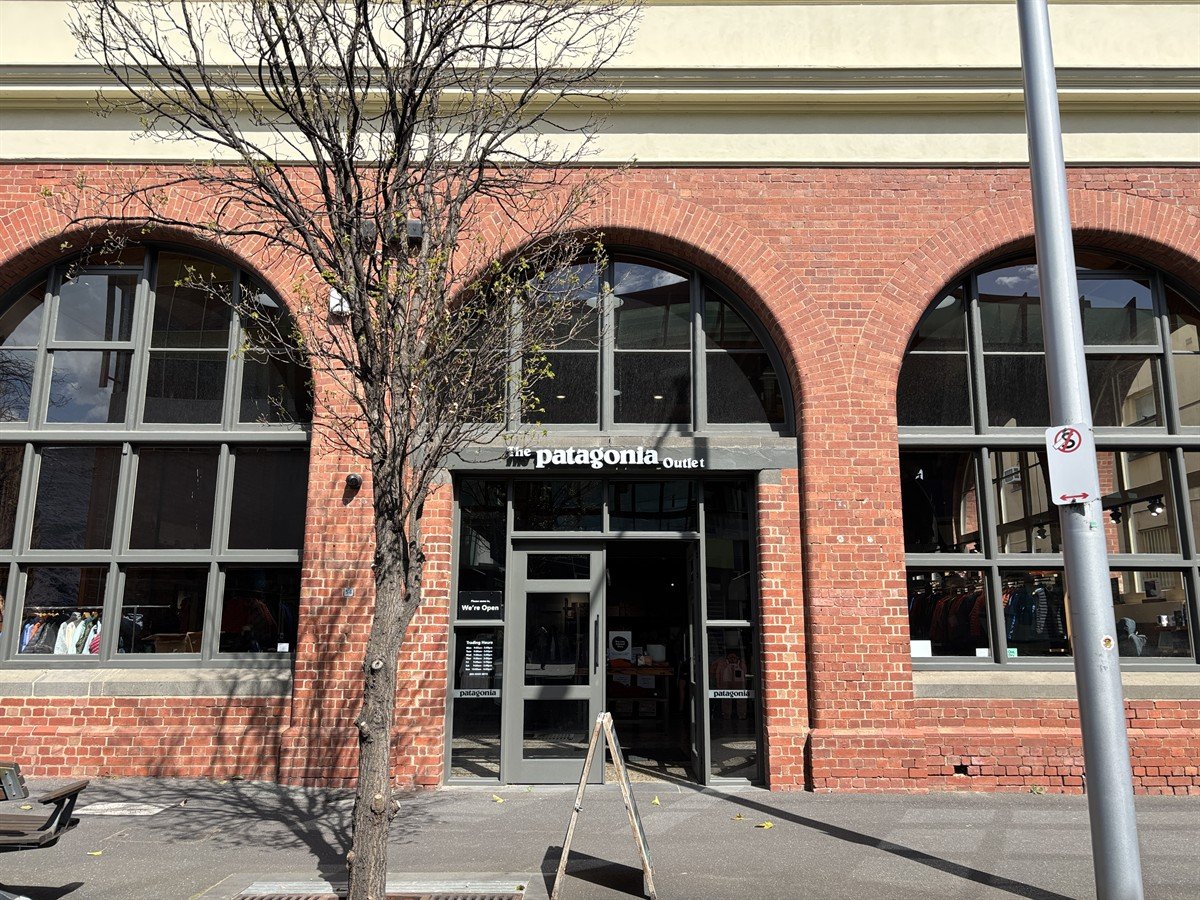
You will never see Patagonia run flash sales, forty-percent coupon popups, or clearance outlet promotions.
This strict pricing discipline protects the brand in two ways:
- Preserves Second-Hand Value: Because new Patagonia gear is never discounted, used Patagonia jackets hold strong resale value on eBay and outdoor forums.
- Eliminates Buyer Regret: A customer who pays full price in September never feels cheated by a flash sale in November. They know the price is permanent, fair, and honest.
Lessons for Purpose-Driven Brands
- A Value Is Not a Value Until It Costs You Money: Anyone can print "eco-friendly" on a recycled paper box. Real brand values are proven when you make decisions that sacrifice short-term sales to protect your core mission. Customers can smell the difference between real conviction and marketing tricks.
- Advise the Customer Honestly, Even If It Means No Sale: If a prospective client does not need your most expensive service, tell them so. Tell them to start small. When you show you care more about their real outcome than closing a quick sale, they will trust you with everything they have.
- Durability Is the Ultimate Luxury: In a world of cheap, disposable products that break in six months, building something that lasts a decade is the most powerful marketing statement you can make.
The Radical Arithmetic of 'Don't Buy This Jacket'
On Black Friday in 2011, when the entire American retail industry was screaming at consumers to buy cheap holiday goods, Patagonia took out a full-page advertisement in the New York Times featuring a picture of their bestselling R2 fleece jacket under the bold headline: 'Don't Buy This Jacket.'
The advertisement broke down the environmental cost of manufacturing the fleece: 135 liters of water consumed, twenty pounds of carbon dioxide emissions emitted, and two-thirds its weight in waste generated. Patagonia asked customers to buy only what they truly needed, repair their old gear, and use the company's Worn Wear repair program.
Corporate Wall Street analysts assumed Patagonia's management had lost their minds and was committing commercial suicide. Instead, the exact opposite happened: Patagonia's sales surged by thirty percent in 2012, crossing five hundred million dollars.
By publicly advising customers not to spend money with them, Patagonia proved its environmental integrity beyond any shadow of corporate doubt. In a market flooded with superficial greenwashing campaigns, Patagonia's radical honesty earned fierce, multi-decade brand devotion from outdoor athletes and urban professionals alike, demonstrating that genuine institutional conviction is the most profitable marketing strategy in modern retail.