
In the global automotive market, competing with Toyota, Honda, Ford, and General Motors is a terrifying proposition.
These massive automotive conglomerates possess billions of dollars in research budgets, hundreds of thousands of factory workers, and global dealership networks that stretch across every continent. They offer economy sedans, luxury coupes, heavy work trucks, minivans, and sports cars.
If a small Japanese automaker with a fraction of Toyota's budget tries to build a generic four-door family sedan to compete head-on with the Toyota Camry or the Honda Accord, it will be crushed.
In the late 1990s, Subaru made an audacious strategic decision that seemed crazy to automotive analysts:
Subaru stopped making front-wheel-drive cars entirely. Every single car they produced (with the exception of one niche sports car) would come standard with Symmetrical All-Wheel Drive (AWD).
By picking one single mechanical feature and owning it completely, Subaru transformed from an obscure budget import into one of the most profitable, fiercely loved car brands on earth.
The Power of the Geographic and Functional Wedge
Instead of trying to win sunny states like California and Florida where Toyota and Honda dominated, Subaru focused all its energy on places with harsh weather: New England, the Pacific Northwest, Colorado, and Alaska.
In these cold, mountainous regions, winter brings freezing rain, heavy blizzards, and iced-over mountain roads.
For a mother driving her kids to school on a snowy morning, or an outdoor enthusiast driving through unpaved mountain trails to go skiing or kayaking, front-wheel-drive sedans felt unsafe. Traditional four-wheel-drive pickup trucks were bulky, expensive, and consumed huge amounts of gas.
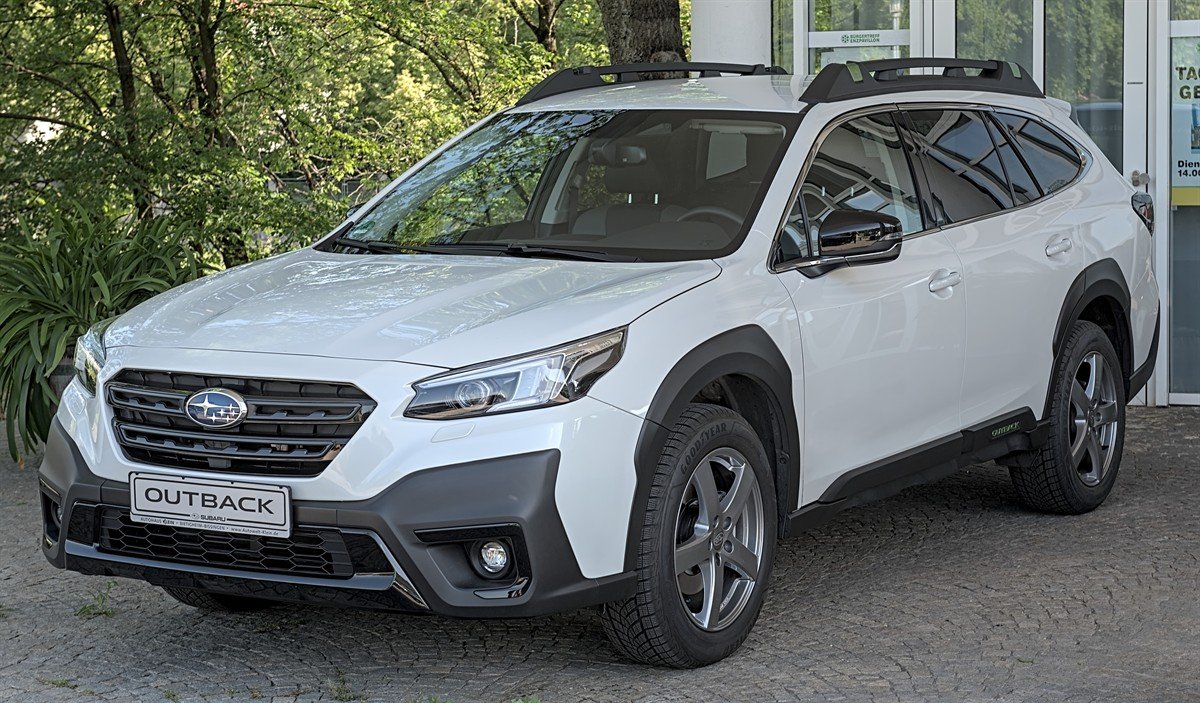
Subaru offered the perfect solution: an affordable, fuel-efficient station wagon or crossover (the Outback and Forester) that gripped slippery roads like a mountain goat.
Why Specializing Beats Generalizing
- The Default Choice for Snow: In cities like Burlington, Vermont, or Boulder, Colorado, Subarus make up twenty to thirty percent of all cars on the road. When you move to a snowy town, the local community tells you: "Buy a Subaru."
- Standard Feature vs Paid Upgrade: While competitors charged two thousand dollars extra for all-wheel drive as an optional add-on, Subaru made it standard on every trim. The customer felt they were getting premium safety for free.
- Lower Production Complexity: By building only one drivetrain architecture across all models, Subaru saved engineering and factory tooling costs.
The Engineering Soul: The Boxer Engine
Behind the safety positioning lay an authentic mechanical advantage: the horizontally opposed Boxer engine.
In most standard cars, engine pistons move up and down in a straight vertical line or in a V-shape. In a Subaru Boxer engine, the pistons lie flat and punch outward horizontally like a boxer punching gloves.
This mechanical layout gives Subaru vehicles a remarkably low center of gravity. When taking sharp corners on icy roads or wet mountain switchbacks, a Subaru does not roll or pitch like a tall SUV. It stays planted flat on the road, giving drivers intense physical confidence in dangerous conditions.
When you combine real mechanical balance with permanent all-wheel drive, the driver does not just read about safety in a brochure; they feel safety in their hands on the steering wheel every time it rains.
The Emotional Anchor: Dogs, Outdoors, and Safety
Subaru's marketing did not focus on horsepower, zero-to-sixty acceleration times, or sleek aerodynamic curves.
Instead, Subaru ran commercials about families surviving terrible car crashes without a scratch because of the car's ring-shaped reinforcement frame. They ran campaigns featuring golden retrievers in the driver's seat with the tagline: "Dog tested. Dog approved."
They sponsored national parks, mountain biking races, and animal shelters.
Subaru owners did not view their cars as status symbols; they viewed them as dependable companions for a healthy, active outdoor life. Customer retention rates for Subaru routinely exceed sixty percent, ranking at the very top of the automotive industry alongside Toyota and Lexus.
The Snowbelt Resale Value Machine
Because Subaru owns the reputation for all-weather safety in northern states, its vehicles enjoy some of the highest resale values in the automotive market.
A customer in New Hampshire or Colorado knows that if they buy an Outback, drive it for five years, and put seventy thousand miles on it, there will be a line of local buyers waiting to purchase it on Craigslist or Facebook Marketplace for top dollar.
When a car holds its value in the second-hand market, the true cost of ownership drops dramatically. That resale safety net removes financial hesitation, making the buying decision easy for young families.
Lessons for Challenger Brands
- Pick One Feature and Make It Yours: If you cannot outspend the market leader, do not fight them across all categories. Pick one specific capability that matters deeply to a passionate group of customers, and make it standard.
- Dominate a Specific Geography or Tribe First: It is far better to be loved by eighty percent of customers in Vermont than to be mildly liked by two percent of customers across the entire nation. Regional dominance creates dense word of mouth.
- Safety and Reliability Trump Speed: Most consumers do not need exciting gadgets. They want to know that when conditions get tough, your product will protect them and perform without fail.
Engineering Differentiation and Snowbelt Market Domination
In the 1990s, Subaru was a minor Japanese automaker struggling for survival in the United States, competing against giant rivals like Toyota, Honda, Nissan, and Ford. Subaru lacked the capital to match Honda's engine research budgets or Toyota's massive multi-billion-dollar marketing campaigns.
Subaru executed one of the most disciplined positioning sacrifices in automotive history: they discontinued front-wheel-drive sedans and made symmetrical All-Wheel Drive (AWD) the standard, non-negotiable feature across every single vehicle they produced.
By sacrificing buyers in sunny Florida and southern California who did not care about winter traction, Subaru became an absolute religion in the snowy American northeast, Pacific Northwest, and Colorado Rocky Mountain regions.
When a consumer in Vermont or Seattle bought an Outback or Forester, they were not buying a generic family car; they were buying an indestructible winter survival vehicle. Subaru achieved the highest customer loyalty and trade-in retention rates in the non-luxury automotive sector (over sixty-two percent), allowing them to operate without cash-back discount rebates and generate steady operating profits for three consecutive decades.