
In the 1970s, if you wanted to buy organic produce or pesticide-free grain in America, the shopping experience was profoundly unglamorous.
You walked into a small, dimly lit vegetarian cooperative or a dusty health food store that smelled intensely of bulk nutritional yeast and dried kelp. Produce was often bruised, packaged in plain brown paper bags, and staffed by countercultural activists who looked upon commercial capitalism with suspicion.
Mainstream supermarket chains (like Kroger, Safeway, and A&P) completely ignored the organic sector, dismissing it as a fringe hobby for hippies.
Then John Mackey and his co-founders opened Whole Foods Market in Austin, Texas.
Mackey understood an insight that changed American retail history: Affluent urban professionals did not want to join a hippie commune, but they desperately wanted to feel healthy, ethical, and sophisticated.
Whole Foods took organic food out of the dusty health food basement and repositioned it as the premier culinary theater of modern luxury.
Retail as Multisensory Theater
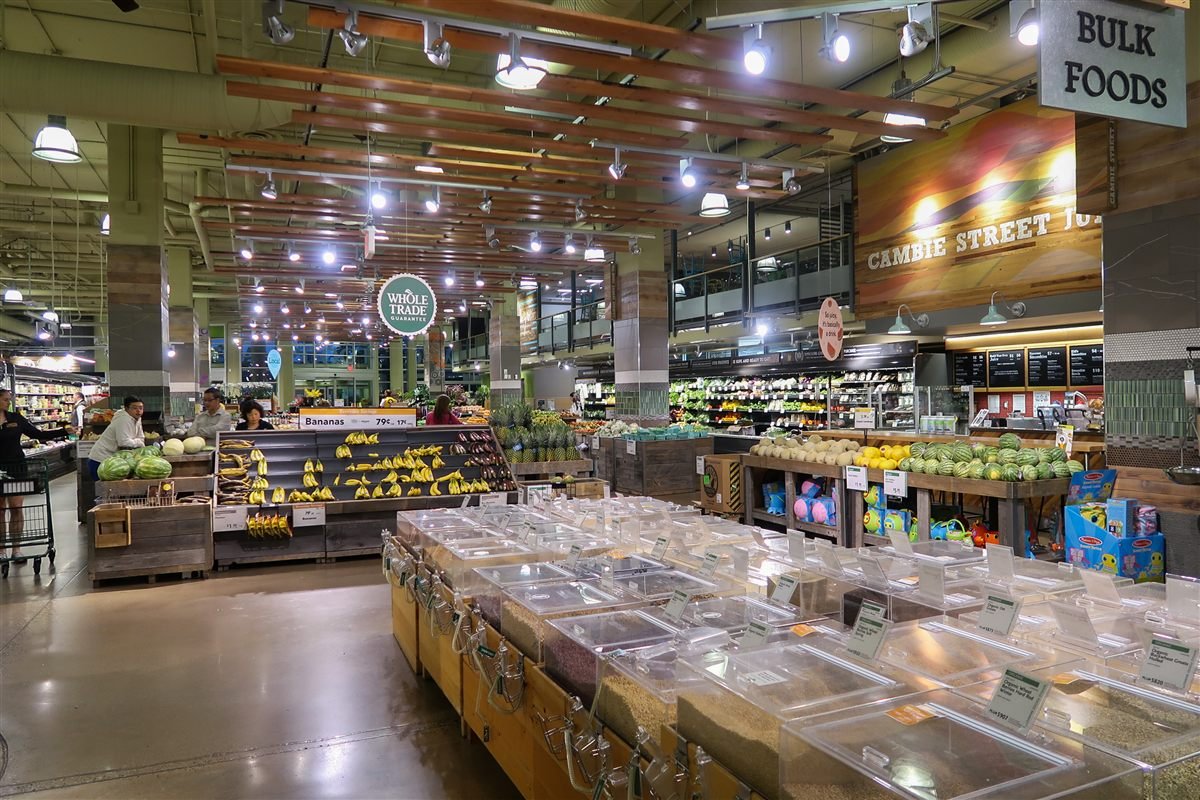
Walking into a Whole Foods Market was designed to feel like entering a vibrant European farmer's market or a museum of gastronomy.
Store lighting was warm and dramatic, highlighting vibrant displays of heirloom tomatoes, wild-caught salmon resting on pristine crushed ice, artisan cheeses aged in dedicated glass rooms, and freshly baked sourdough loaves stacked on rustic wooden crates.
Every apple was misted with fine water spray under theatrical spotlights. Every cut of beef was accompanied by a small card detailing the family name of the pasture farm where the steer was raised.
The Architecture of Moral Status
- The 'Whole Paycheck' Price Tolerance: Shoppers joked that visiting Whole Foods cost their entire paycheck, but they continued to return every Sunday. The high prices were not an obstacle; they were proof that the shopper cared deeply about their family's health and the planet.
- The Uncompromising Banned List: Whole Foods published a strict list of over one hundred prohibited ingredients: artificial colors, high-fructose corn syrup, hydrogenated fats, and synthetic preservatives. If a product sat on a Whole Foods shelf, the customer trusted it implicitly without needing to read the ingredient label.
- The Prepared Foods Profit Engine: Whole Foods turned its hot food and salad bars into high-margin profit centers, allowing busy professionals to pick up gourmet prepared dinners on their way home from corporate offices.
The Moral Virtue Flywheel
Whole Foods allowed shoppers to engage in conspicuous ethical signaling.
Carrying a brown paper Whole Foods grocery bag down a Manhattan or San Francisco sidewalk communicated to the world: "I am educated, financially successful, and committed to ecological sustainability."
By aligning environmental consciousness with gourmet culinary pleasure, Whole Foods created an unshakeable commercial franchise that was eventually acquired by Amazon in 2017 for over thirteen billion dollars.
The Real Estate Strategy of Wealth Mapping
Whole Foods did not select retail store locations based on standard commercial foot traffic or cheap lease rates.
They pioneered a rigorous demographic mapping methodology: they evaluated neighborhoods based on the concentration of residents with college degrees, high household incomes, and active fitness club memberships.
In real estate circles, this led to the coining of the "Whole Foods Effect": the arrival of a new Whole Foods store in an urban neighborhood acted as an immediate catalyst that increased nearby residential property values by ten to fifteen percent.
Landlords actively competed to offer Whole Foods subsidized long-term leases because having the premier organic grocer as an anchor tenant attracted high-earning tenants to luxury apartment towers above.
The Private Label Strategy: 365 Everyday Value
While Whole Foods was famous for premium artisan products, it recognized that shoppers needed accessible staples like olive oil, rolled oats, and organic milk without paying exorbitant prices.
They launched their proprietary in-house private brand: 365 Everyday Value.
By sourcing directly from certified organic growers and bypassing intermediary distributors, Whole Foods offered organic pantry essentials at prices competitive with conventional supermarkets.
This private label strategy served as a defensive shield, ensuring that once an affluent shopper entered the store for premium cheeses and fresh meats, they bought their everyday flour, eggs, and beans in the exact same transaction.
Key Business Takeaways
- Re-Frame Counterculture into Luxury: Look for fringe subcultures that possess genuine ethical or health benefits, but suffer from poor aesthetics and clumsy distribution. Upgrading the sensory experience unlocks mass affluent demand.
- Curate with Strict Integrity: Banning low-quality ingredients from your shelves builds a trust umbrella that allows you to charge premium prices across your entire inventory.
- Physical Retail Must Be Theater: If your physical store merely stocks commodities on metal shelves, e-commerce will destroy you. Retail stores must offer sensory delight, discovery, and social status.