
Ask any chief marketing officer what their ultimate brand metric is, and they will discuss Net Promoter Scores, customer retention cohorts, or social media engagement rates.
There is one brand in corporate history that unlocked an entirely different dimension of customer loyalty: the tattoo metric.
How many people in the world are willing to permanently inscribe the logo of Microsoft, Procter & Gamble, or Toyota onto their physical skin? Virtually zero.
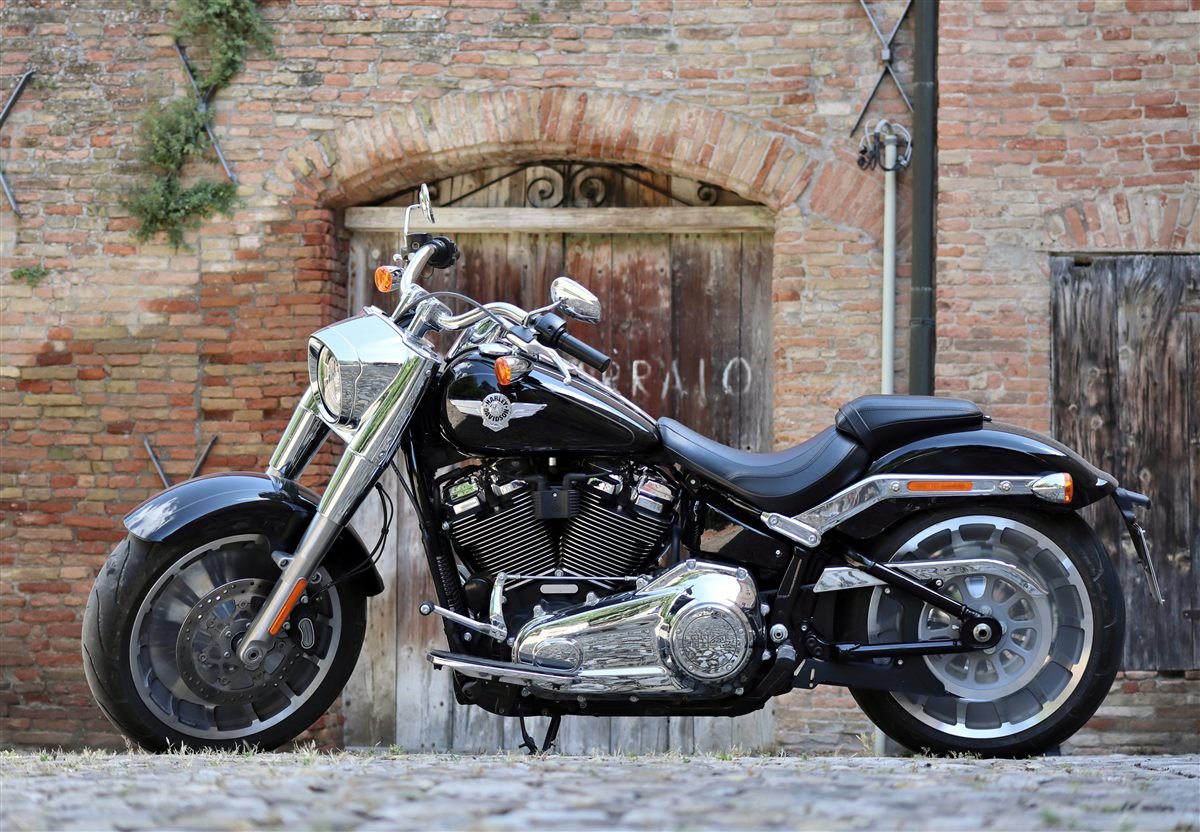
Yet walk into any motorcycle rally in Sturgis or Daytona, and you will see thousands of accountants, lawyers, and mechanics proudly displaying the bar-and-shield logo of Harley-Davidson on their biceps, shoulders, and chests.
How does an industrial machinery company manufacturing heavy, vibrating air-cooled motorcycles become a sacred tribal religion?
The Near-Death Crisis of the 1980s
In 1981, Harley-Davidson was on the verge of total liquidation.
Under the ownership of leisure conglomerate AMF, build quality had collapsed. Harleys were infamous for leaking oil on garage floors and breaking down on highways.
Meanwhile, Japanese competitors (Honda, Yamaha, Suzuki, and Kawasaki) flooded the American market with fast, reliable, leak-free, water-cooled motorcycles at half the price.
A group of thirteen executives, led by Vaughn Beals and Willie G. Davidson, bought the company back in a leveraged buyout. They realized that trying to beat Honda on engineering specs, horsepower per dollar, or microchip ignition was financial suicide.
They decided to stop selling transport machinery and start selling rebellion, brotherhood, and American freedom.
The Harley Owners Group (HOG) Strategy
- The Escape from Corporate Confinement: The target buyer was not a criminal biker; it was a forty-five-year-old corporate worker who wore a suit five days a week and felt spiritually trapped in a cubicle. Buying a Harley was their weekend declaration of independence.
- HOG Chapters: Harley created local riding clubs sponsored by individual dealerships. When a customer bought a motorcycle, they instantly received a network of riding buddies, weekend charity rides, and organized road trips.
- Sensory Trademark (The Sound): Harley celebrated its uneven, rhythmic exhaust idle ("potato-potato-potato"), going so far as to attempt trademarking the acoustic sound. The vibration and noise were repositioned as the authentic mechanical heartbeat of a classic iron engine.
The Psychology of the Weekend Re-Invention
Why does an otherwise rational accountant or corporate manager spend twenty-five thousand dollars on a loud, vibrating motorcycle? The answer lies in psychological compensation.
Modern white-collar professional life is filled with abstract, digital work. Emails, spreadsheets, Zoom meetings, and corporate compliance training often leave individuals feeling disconnected from physical reality and personal agency.
Riding a heavy iron motorcycle through a canyon on a Sunday morning restores a sense of raw physical control. The wind against the chest, the smell of hot motor oil, the rumble of the engine, and the immediate physical consequences of leaning into a curve pull the rider into the present moment. Harley-Davidson does not sell transportation; it sells a temporary psychological escape from modern corporate domesticity.
The Economics of the Aftermarket Ecosystem
Harley-Davidson mastered a business model where the motorcycle was merely the entry ticket into an ongoing spending ritual.
Once an owner joined a HOG chapter, they did not keep their bike in factory condition. They spent thousands of dollars customizing every single component: chrome pipes, leather saddlebags, custom handlebars, and loud performance exhausts.
Furthermore, the company developed a massive apparel and licensing division. Harley-Davidson leather jackets, boots, bandanas, t-shirts, and belt buckles generated hundreds of millions of dollars in high-margin merchandise revenue. Even people who did not own a motorcycle bought Harley t-shirts simply to borrow the brand's rugged attitude.
The Engineering Philosophy of Intentional Character
When Japanese manufacturers engineered motorcycles in the 1980s, their objective was mathematical perfection: zero vibration, silent exhaust notes, flawless liquid cooling, and frictionless gear shifting.
Harley-Davidson recognized that in leisure goods, technical perfection is often boring. If a machine feels like a sterile appliance, it fails to evoke emotional engagement.
Harley intentionally maintained the forty-five-degree V-twin engine architecture with a single crankpin, which causes the two cylinders to fire at uneven intervals. This mechanical imperfection generates the visceral rumble and rhythmic vibration that shakes the rider's chest at idle. By celebrating mechanical tactility over sterile efficiency, Harley proved that human passion is often attached to distinct character rather than sterile laboratory metrics.
Key Business Takeaways
- Sell Belonging, Not Hardware: A product solves a physical problem; a brand solves a psychological identity problem. When you give people a community where they feel accepted, price elasticity disappears.
- Turn Flaws into Character: Instead of hiding the heavy weight, antique air-cooling, and distinctive mechanical sound of their engines, Harley highlighted them as proof of raw, unpretentious American soul.
- Build Shared Rituals: A brand becomes a tribe only when its members gather in the physical world, share meals, ride together, and wear recognizable insignia. Community is forged through shared time, not social media clicks.
- High-Margin Aftermarket Ecosystems: If your core product inspires passionate attachment, build an ecosystem of apparel, customization, and accessories that allows customers to continue spending long after the initial purchase.