
In the year 1900, the French tire manufacturer Michelin faced a severe macroeconomic problem.
There were approximately two thousand two hundred automobiles in the entire country of France. Roads were rough dirt tracks, gasoline had to be purchased from individual pharmacies in glass jars, and driving outside city limits was considered a perilous adventure.
Andre and Edouard Michelin understood an unyielding arithmetic law: You cannot sell more car tires if people leave their cars parked in garages.
Tires wear down only when rubber meets asphalt over long distances. To sell more tires, Michelin did not run advertisements bragging about tread depth.
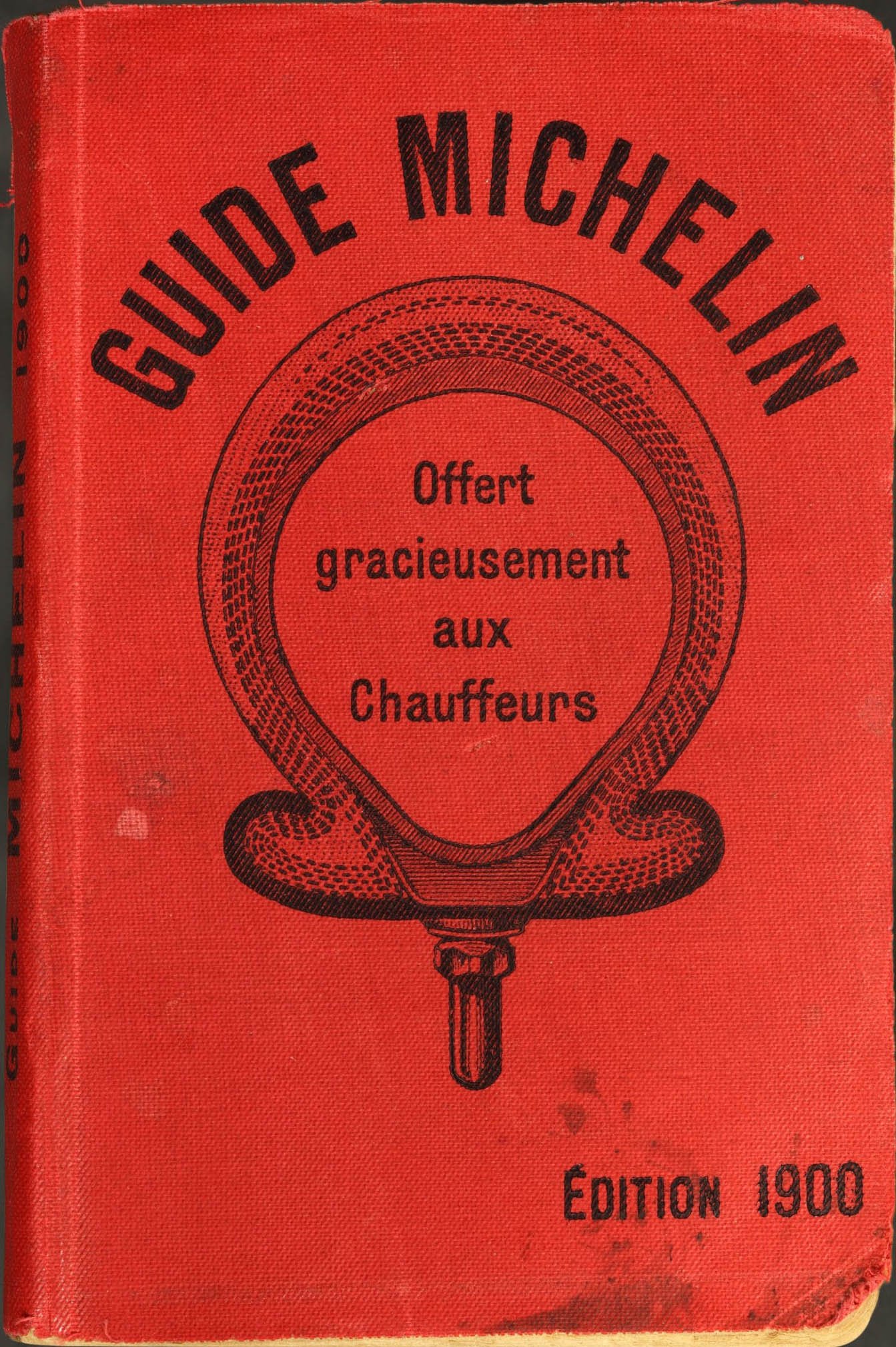
They gave motorists an irresistible reason to drive hundreds of kilometers into the countryside: The Michelin Guide.
Content Marketing a Century Before the Internet
The initial red-covered guide was distributed completely free of charge. It contained practical maps, instructions on how to change a flat tire, lists of gas stations, and, most importantly, recommendations for clean countryside hotels and exceptional roadside inns.
By the 1920s, the culinary section became so influential that Michelin hired anonymous restaurant inspectors and introduced the famous three-star rating system:
The Strategic Translation of Distance
- One Star: "A very good restaurant in its category." (Worth a stop if you are already passing by).
- Two Stars: "Excellent cooking, worth a detour." (You should take a twenty-kilometer detour to eat here).
- Three Stars: "Exceptional cuisine, worth a special journey." (You should pack your bags, fill your fuel tank, and drive three hundred kilometers across the country specifically for this meal).
The Self-Fulfilling Demand Loop
Notice the subtle economic genius embedded in the definition of three stars: "Worth a special journey."
Every time a wealthy Parisian decided to drive to Burgundy or Provence to experience a three-star meal, they drove hundreds of miles over rough cobblestone roads, wore down their tires, and bought a fresh set of Michelin rubber.
The guide was not a vanity side-project. It was an ingenious demand-generation flywheel that accelerated the wear-and-tear cycle of Michelin's core product.
The Financial Return of High-End Brand Associations
From a strictly financial perspective, publishing the Michelin Guide was expensive. In its early decades, the guide lost money every single year. Inspecting hundreds of restaurants across Europe, flying inspectors to remote towns, and paying for multi-course meals created significant operational overhead.
However, Andre and Edouard Michelin understood accounting at the balance sheet level rather than the departmental profit-and-loss sheet.
The hundreds of millions of dollars in prestige and global authority generated by the guide allowed Michelin to charge a fifteen to twenty percent price premium on passenger car tires compared to regional competitors like Goodyear, Firestone, or Continental. When a customer replaces four tires on a vehicle, that price premium flows directly to the bottom line, easily paying for the entire operating budget of the culinary inspection team ten times over.
The Financial Return of High-End Brand Associations
The Financial Return of High-End Brand Associations
From a strictly financial perspective, publishing the Michelin Guide was expensive. In its early decades, the guide lost money every single year. Inspecting hundreds of restaurants across Europe, flying inspectors to remote towns, and paying for multi-course meals created significant operational overhead.
However, Andre and Edouard Michelin understood accounting at the balance sheet level rather than the departmental profit-and-loss sheet.
The hundreds of millions of dollars in prestige and global authority generated by the guide allowed Michelin to charge a fifteen to twenty percent price premium on passenger car tires compared to regional competitors like Goodyear, Firestone, or Continental. When a customer replaces four tires on a vehicle, that price premium flows directly to the bottom line, easily paying for the entire operating budget of the culinary inspection team ten times over.
The Michelin Guide would have failed completely if it had accepted sponsored listings or let local restaurant owners buy reviews.
Michelin treated its restaurant inspectors like secret intelligence agents. They visited restaurants unannounced, dined alone, paid their full bills in cash, and never accepted free gifts from chefs. If a restaurant's food quality slipped, its star was revoked without mercy, regardless of how famous the chef was.
This ruthless, incorruptible standard made the Michelin star the most coveted prize in the culinary world. Chefs dedicated their entire lives and worked eighty hours a week just to earn a single star.
The prestige of the guide reflected back onto the Michelin tire brand. In the minds of consumers, Michelin was not a dirty rubber factory; it was the ultimate French authority on elegance, travel, precision, and excellence.
Key Business Takeaways
- Stimulate the Underlying Activity: If your product depends on a specific consumer habit, invest in building and glorifying that habit. Do not just sell swimming trunks; build clean public pools and teach people how to swim.
- Authority Takes Decades to Build: Michelin refused to accept paid advertisements in its dining guides and paid for all meals anonymously. That uncompromising integrity made the stars the global gold standard of gastronomy.
- The Best Marketing Solves the Customer's Next Problem: Once a customer bought a car, their next problem was "Where can I safely drive this weekend?" Michelin answered that question better than anyone else on earth.
- Halo Effects Elevate Industrial Commodities: By becoming the arbiter of global culinary perfection, Michelin turned a black rubber tire into a high-trust, premium consumer purchase.